The Best Poker News Story of the Day
Poker Legend Doyle Brunson Passes Away, Age 89
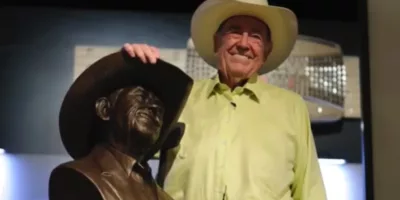
The poker world has suffered a huge loss, as a legendary player and pioneer Doyle Brunson has passed away. He was 89 years old. Table of ContentsA Sad Day for…
Can You Use ChatGPT To Discuss Poker Hand Histories?
ChatGPT has been taking the world by storm. Allowing you to have human-like conversations online, ChatGPT is being used for a number of purposes – including researching, composing emails, generating…
Mike Postle Returns to Live Poker Under Alias

Mike Postle, who was accused of cheating poker players out of over $30 million, has returned to live poker by competing in a 50K tournament under an alias and wearing…
How to Get WSOP Free Chips in 2026

The World Series of Poker brand is popular among all types of poker fans – even the ones that don’t want to play for money. PlayWSOP is the WSOP free…
Adelstein/Lew Poker Cheating Scandal – The Facts

Yet another scandal has the poker community up in arms, after Robbie Jade Lew was accused of cheating when she won a $269,000 hand with Jack-high. It’s only been a…
The Best Las Vegas Residencies – Updated 2026

Whether you’re in Vegas for a vacation or to play in the World Series of Poker, taking in a show is a must-do. At Beat The Fish, we highly recommend…
Poker Hand Histories: How to Analyze Your Hands More Effectively

Analyzing your poker hands is part of becoming a successful player, who makes a long-term profit. However, hand analysis is more than just posting on forums; a lot of work…
Doug Polk And Friends Buy Texas Poker Room The Lodge

Doug Polk has recently announced that he has joined forced with fellow poker vloggers Brad Owen and Andrew Neeme to purchase a poker room – The Lodge in Austin, Texas….
Bovada and Ignition Poker Back Online, Offering Compensation

After an outage that lasted nearly two days, Bovada Poker and Ignition Poker are back online. The two brands are even providing compensation to players to thank them for their…
Bovada Poker and Ignition Poker Outage: As It Happens
Ignition Poker and Bovada Poker have both been down for over 24 hours. The situation is still developing, and we want to keep players updated on it. So, read on…
The Poker Best Home Game Variants and Alternatives

Are your regular poker nights getting a bit stale? Want to mix things up? With a few simple tweaks, you can liven up your poker home games a ton. Here…
The Beginner’s Guide to Online Poker Staking

Staking is a great way to get in on the poker action without actually sitting at the table. If you’d like to dabble in poker staking, your best bet is…
Common Live Poker Etiquette Mistakes

If you’re new to playing poker in a live environment, whether it’s a home game or in a poker club, it’s important to remember the rules of etiquette at the…
What’s A Flip & Go? Your Guide to the WSOP’s Novelty Event

At the upcoming World Series of Poker, a number of new events are on the cards, including a charity tournament and a Hall of Fame bounty competition. The event that…
So You Want To Be A Poker Streamer? An In-Depth Guide

A fun and novel way to interact with the online poker community is to stream yourself playing on Twitch.tv. Getting started might seem daunting, but we’re here to help make…
WPT Renames Champions Cup Trophy in Honor of Mike Sexton

The World Poker Tour (WPT) has announced that it will be changing the name of one of its most prestigious honors. The WPT Champions Cup will now be called the…
Awkwafina To Play Phil Ivey’s Edge Sorting Partner in “The Baccarat Machine”

Cheung Yin “Kelly” Sun is best-known in the poker community as the player who helped Phil Ivey make millions playing baccarat. Little is known about the edge sorting genius, but…
Mike Postle Cheating Saga Continues

After more than a week since the cheating allegations have been made, the saga about the “Local Hero” in professional poker, Mike Postle, is still a hot topic. We’ve introduced…
Local Professional Poker Player Mike Postle Pleads Not Guilty to Cheating

The latest news that shook the poker community is regarding a local professional poker player, Mike Postle, who has been accused of cheating by a former employee of Stones Live,…
Molly Bloom Opens Up: My Life Was a Constant Debt Sheet

It’s been a while since we’d last heard from Molly Bloom, the infamous Hollywood poker princess. The movie describing her professional and personal struggles as she tried and made it in…
Qui Nguyen, WSOP 2016 Main Event Winner, for BTF: I’ll Be Back!

Most of us still remember Qui Nguyen, the man who took the WSOP 2016 Main Event by storm, claiming the historic victory in a very tough competition. Although he hasn’t been around…
UK Supreme Court Confirms: Ivey Won’t Be Getting Paid by Crockfords Club
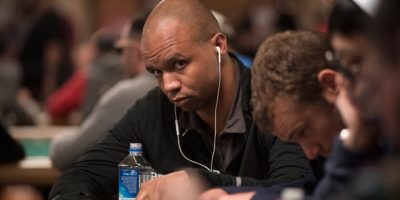
Phil Ivey’s battle to recoup his baccarat winnings from London’s Crockfords Casino has come to an end, but with the result that the high-roller isn’t happy about. Namely, the UK…
Jake Kalpakian of Jackpot Digital: Bringing Live Poker to the Masses

Are no dealer live poker tables the thing of the future? Will the live poker scene significantly change with the advent of new technologies, which create opportunities that we wouldn’t…
Unique 3D Poker Software by PKR Coming Back Thanks to Videoslots

PKR, the only original 3D online poker room has had its share of hardship over the past few months. After struggling for some time to keep up and maintain the…
Blast Poker by 888: Poker or Gambling?

The debate about whether poker is a skill game or not has been going on ever since the game’s popularity has grown to a degree where it attracted attention from…
Howard Lederer’s Surprise Apology Polarizes Poker

Social media channels, poker forums, and news media outlets were all surprised by the official Howard Lederer’s apology which was related by none other than Daniel ‘KidPoker’ Negreanu on his…
Stars of “Molly’s Game” Poker Movie Revealed

The movie “Molly’s Game” has been in the making for some time now and a few days ago, the name of the second lead roles was revealed. It was already…
Paul Phua Breaks the Silence

Paul Phua is one of the most intriguing characters in the world of high stakes poker and gambling in general. For years, we’ve seen him gamble with crazy amounts of…
Why Daniel Negreanu Became a US Citizen
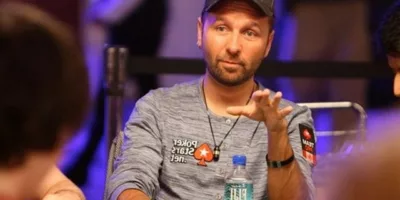
One of the best known players on the circuit and the face of the online giant PokerStars, Daniel ‘KidPoker’ Negreanu is a full-fledged USA citizen as of Saturday, March 12….
Table of Contents
- Poker Legend Doyle Brunson Passes Away, Age 89
- Can You Use ChatGPT To Discuss Poker Hand Histories?
- Mike Postle Returns to Live Poker Under Alias
- How to Get WSOP Free Chips in 2026
- Adelstein/Lew Poker Cheating Scandal – The Facts
- The Best Las Vegas Residencies – Updated 2026
- Poker Hand Histories: How to Analyze Your Hands More Effectively
- Doug Polk And Friends Buy Texas Poker Room The Lodge
- Bovada and Ignition Poker Back Online, Offering Compensation
- Bovada Poker and Ignition Poker Outage: As It Happens
- The Poker Best Home Game Variants and Alternatives
- The Beginner’s Guide to Online Poker Staking
- Common Live Poker Etiquette Mistakes
- What’s A Flip & Go? Your Guide to the WSOP’s Novelty Event
- So You Want To Be A Poker Streamer? An In-Depth Guide
- WPT Renames Champions Cup Trophy in Honor of Mike Sexton
- Awkwafina To Play Phil Ivey’s Edge Sorting Partner in “The Baccarat Machine”
- Mike Postle Cheating Saga Continues
- Local Professional Poker Player Mike Postle Pleads Not Guilty to Cheating
- Molly Bloom Opens Up: My Life Was a Constant Debt Sheet
- Qui Nguyen, WSOP 2016 Main Event Winner, for BTF: I’ll Be Back!
- UK Supreme Court Confirms: Ivey Won’t Be Getting Paid by Crockfords Club
- Jake Kalpakian of Jackpot Digital: Bringing Live Poker to the Masses
- Unique 3D Poker Software by PKR Coming Back Thanks to Videoslots
- Blast Poker by 888: Poker or Gambling?
- Howard Lederer’s Surprise Apology Polarizes Poker
- Stars of “Molly’s Game” Poker Movie Revealed
- Paul Phua Breaks the Silence
- Why Daniel Negreanu Became a US Citizen
- Poker News FAQs
- Do you cover online poker news?
- Do you provide updated poker news for US players?
- What about news on the US poker legal front?
- Does Beat The Fish cover tournament poker news?
Poker News FAQs
Why follow your poker news instead of the big guys?
The poker news section is populated with stories that I feel will mostly likely matter to you as a player. What does that mean exactly?
Firstly, no one is going to top the big teams and massive coverage at the namesake poker news site anytime soon. They’ve largely perfected it and every day you can find straightforward reporting on dozens of poker news minutiae.
That’s not what I want to do with Beat The Fish Poker News. Tapping myself and a small team of experienced news writers I want to narrow the focus of poker news, bringing players the most significant stories of the week with personality.
What type of poker news will I find here?
Essentially, I want to give players the type of poker news coverage I look for myself.
- New Events Coming to This Year’s WSOP Schedule
- US state passes bill regulating online poker
- Results from the latest WSOP bracelet event
- High-stakes online winners and losers
- Poker pro wins lawsuit against cardroom
I don’t like to wade through dozens of insignificant stories to get to the ones about the biggest high-stakes games of the week, the newest laws affecting US players, and the results of the biggest tournaments of the year. I want to give you the wheat without the chaff.
The Internet is information overload incarnate and big poker news sites are no different. Let us hand-pick the stories you’ll want to know to stay informed about the poker world. We promise to minimize the time spent in front of your eyeballs.
Poker news you won’t find here
- 37-year-old plumber wins Indiana Poker Circuit Main Event for $6,850
- PokerStars set to add 451st tournament to daily schedule
- Daniel Negreanu Tweets that he likes New Star Wars Movie
- Bottomfeeder Poker Announced New Rakeback Scheme
Do you cover online poker news?
Absolutely, and with online poker sites keeping players in the dark by design getting current online poker news could save your bankroll.
Who is launching that you want to know about? Who is having trouble paying players? Who is running a promotion unique enough that you will actually care about it?
Making a list of minor self-serving promos isn’t news. It’s advertisement. That isn’t the kind of online poker news you’ll find in this space.
Do you provide updated poker news for US players?
Yes, and it will be a major focus. The night the UIGEA passed in 2006 I turned off C-SPAN in disgust (I guarantee that’s the only time you’ll see me write that phrase) and became devoted to poker news for US players
I knew how important information was going to be – getting facts directly to players that cut through the misinformation all over the media.
I also think US poker news is the only way to keep current players updated as to what the status is of where they’re playing. The poker sites aren’t going to tell you when they are in trouble.
What about news on the US poker legal front?
As select US states have finally realized what the federal government hasn’t, namely that online poker should be regulated and taxed, an entire subset of poker news can be devoted to legal news.
The latest regulated US poker news on which states have introduced new legislation, the latest numbers and studies, which poker rooms are launching, and which corrupt politicians are attacking our favorite game are all included in our coverage.
Does Beat The Fish cover tournament poker news?
Yes, although not in the same way as the poker media heavyweights. We cover the most essential tournament poker news without filler, from the bracelet events of the World Series of Poker to the largest online events.