Biographies of the Biggest Poker Pros

Poker Player Bios
Poker Player News
Table of Contents
- Poker Player News
- The old days for poker players
- Poker Player FAQs
- Psychological Profiles of Poker Players
- Categorizing poker player types by psychology
- Recognizing poker player types at a table
- Who is the best poker player in the world?
- What makes the best poker player?
- Measuring success for a poker player
- The best poker players do well across board
- Who really is the best poker player?
The old days for poker players
The script sure flipped on poker players suddenly and completely over the past 15 years.
Prior to the unofficial birth of the current era of poker in 2003 even the top poker players were relatively unknown except to their peers and niche cultists.
Picture some of these realities that made the old days of poker less glamorous than a bowl of unsweetened oatmeal:
- There was no World Poker Tour or EPT.
- There were no hole-card cameras, which made for incredibly dull television.
- Viewers watched lots of betting, raising, and folding without any idea of the cards players had.
- Poker was only shown once a year on ESPN for the World Series of Poker Main Event and received terrible ratings.
- There were only a handful of $1 million tournaments.
- Fixed-limit cash games were about all you could find in cardrooms
Those are some dingy thoughts compared to the glitziness that poker, and its players, are receiving today.
The world of poker players today
We now live in a society where poker is available online at thousands of tables 24 hours a day and is airing around the clock via TV or live stream.
Many professional poker players and familiar poker personalities have become household names. They enjoy celebrity-like status even away from the poker tables.
All it takes is a big tournament win to put unknown everyday players into the annals of poker immortality, endorsement deals, and unthinkable prize money. All of this for being good at cards.
My library of poker players
Here I aim to profile some of the best and most well-known poker players, their bios, and poker stories from around the world.
The figurative library of the game of poker continuously expands with a vast wealth of history, players, and fascinating stories. Take a look around as I try to build enough shelves to house my favorites.
Poker Player FAQs
What makes a pro poker player?
It might seem simplistic but it’s a fair question.
To me, a professional poker player is simply someone who earns their entire living playing poker, either offline or online. Pro players don’t need to work a “traditional” job and are essentially self-employed.
Just as a professional chef is very different than someone who enjoys cooking at home, professional poker players are a big step above a recreational player regardless of skill level.
A semi-pro poker player is a consistent winning player overall, but only supplements his traditional income with poker.
Are there professional poker players online?
Online poker certainly isn’t been just for amateurs. Existing top offline professional poker players flocked to the online games during the poker boom of the mid-2000s.
Other pro poker players were created out of online poker, eventually playing the game from home as a full-time career, sometimes for millions of dollars and other times simply grinding to make a living.
Traditional poker pros often take on these online specialists in the largest online cash games in the world with millions of dollars on the line.
Psychological Profiles of Poker Players
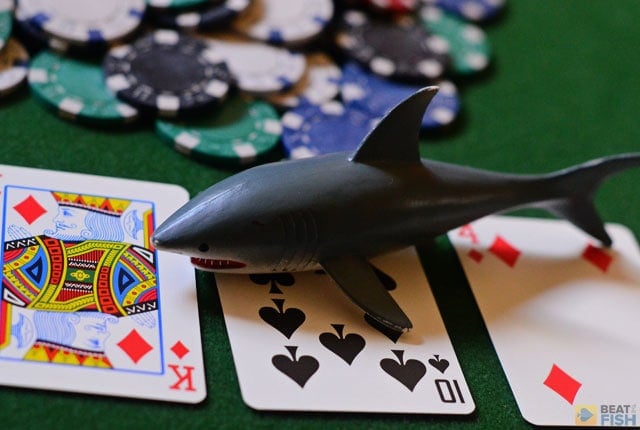
I recently picked up and read a copy of Ultimate Guide to Poker Tells, whose title is pretty self-explanatory as to its content.
On a side note, I found the book to be an excellent guide to common cardroom poker tells as well as some lesser-known gems.
Anyway, in the chapter instructing on how to avoid giving off tells at the table yourself the author goes into a brief discussion on different player types and personalities.
I found the commentary to be quite accurate and thought I would take a stab at expanding the idea into categorizing common player types you’ll find at the tables.
Categorizing poker player types by psychology
Wild and unpredictable
One personality, albeit rare, that a player can employ at the table to keep their opponents guessing is one filled with wild, crazy, and unpredictable mannerisms.
At least for a few hands, player types playing this style will reinforce their sloppy appearance by bluffing and gambling. Usually, however, they reserve these plays for when they know they’re being observed in order to represent that wild table image.
The result is a highly effective way to guarantee action when they have the best of it. Also, since these players are constantly yapping away, moving around, and distorting their faces, their opponents haven’t a clue as to what their tells (if any) are.
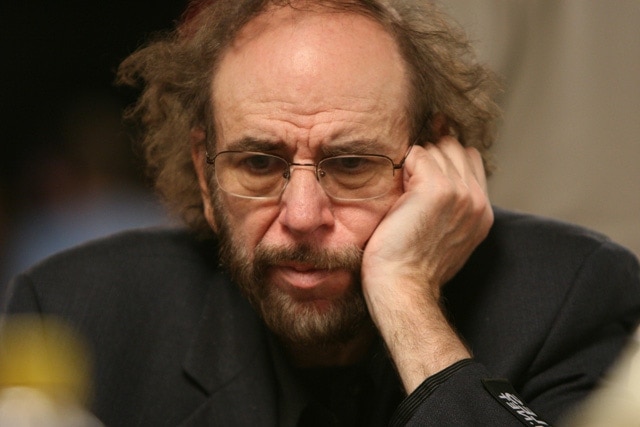
Examples of wild poker players
Examples of these player types displaying wild table psychology include Mike Caro (known as “Crazy Mike” before being the “Mad Genius of Poker”), Amarillo Slim Preston, Mike Matusow, and Phil Hellmuth (in terms of yapping and needling opponents).
While you can use this method to avoid being predictable, it is very difficult to appear natural. As Dan Harrington says in Harrington on Hold’em Vol. 1:
You might have trouble with this style of play unless you’ve spent some time in a mental institution.
Dealing with these player types can be quite tricky. Because of their unpredictable image, it will be hard to know if they actually have a hand and are trying to misguide you into believing they are on tilt or if they are actually tilting.
Most of these players are not immune to tilt, which often causes them to make bad plays but also complicates things for their opponents who always have to keep trying to distinguish between reality and pretense.
Calm and relaxed
While most of us would be pretty tense about playing in major events under bright lights and documented by television cameras some players are simply at ease and don’t mind a friendly chat with their opponents.
Because this style displays calm confidence it is difficult for their opponents to put them on a bluff, which bundled nerves often signify.
Example players
Examples of this cool, collective, and talkative player type include players like Greg Raymer, Gus Hansen, or Daniel Negreanu.
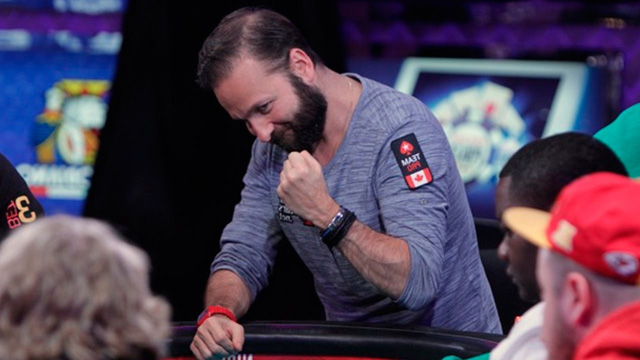
If you’ve ever seen Daniel Negreanu play, you’ll know exactly what these player types are all about.
Not only they are relaxed while playing but they also want their opponents to feel relaxed and at ease at the tables.
They get them involved in casual conversations during and in between hands, trying to gather as much information as possible.
While this strategy may not be very effective against hardcore professionals it works very well on amateurs and casual players.
Silent assassins
Most of us (including myself) attempt to fall into this final category of poker player types: the robotic tell-stifling machine.
We’ve gotten to the point in our poker career where we realize that anything we voluntarily reveal to our opponents through speech or mannerisms can only expose information.
What better way to suppress our possible tells is there than freezing up, zoning out, and keeping our mouths shut?
It requires the least energy and, for most of us, is the easiest to successfully pull off.
Advanced players in this category have also reached the point where they’re able to subtly give a reverse tell, believably and intentionally exposing what looks to be a tell for weakness or strength but is actually the opposite of their holdings.
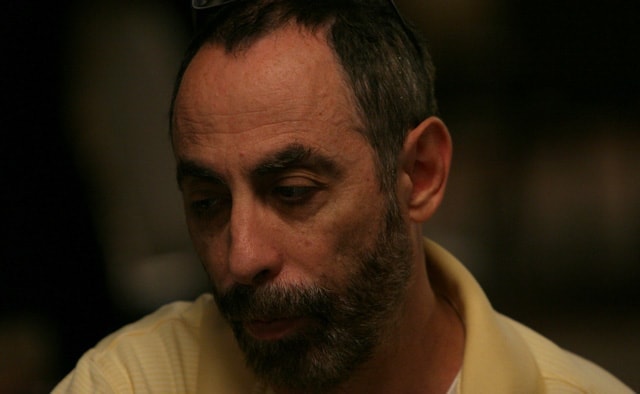
Examples of silent knights
Examples of this style include Doyle Brunson, late Chip Reese, Chris “Jesus” Ferguson, Chris Moneymaker, Phil Ivey, Howard Lederer, Barry Greenstein, Dan Harrington, and too many other players to name.
These players are clearly there to play some poker without any unnecessary distractions.
Their game is usually deeply founded on maths and observing behavior of other players. They don’t feel the need to get involved directly as they are very competent in picking up the information from other players’ behavior, table chatter, bet sizing, etc.
Recognizing poker player types at a table
While you’ll find many different psychological approaches to the game and player types at your local cardroom and on television the lesson should be that you need to develop some sort of method of reducing (and hopefully eliminating) the amount of physical tells that you expose to your opponents.
Are you comfortable being a wild maniacal force at the table or are you better suited for the classic “poker face”?
Perhaps this article doesn’t apply to you if you play poker exclusively online, but you do need to prepare yourself if you ever wish to ascend into the level of live professionals or even just win a satellite into The Big One.
Regardless, it’s interesting to notice the various methods used by the major professionals at the table.
Next time you watch a televised poker event see if you can classify players at the table and challenge yourself to detect any physical signs of weakness or strength.
Who is the best poker player in the world?
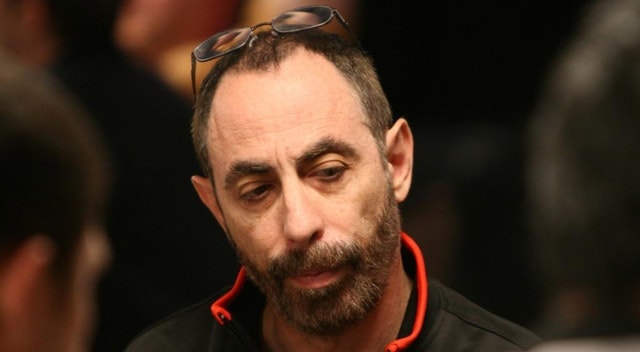
A question that often comes up in interviews with professional poker players, magazines, and table side talk is, “Who is the best poker player in the world?”
I was intrigued with Barry Greenstein’s analysis in Ace on the River in which he eventually comes to the conclusion that no one really is and that all we can do as poker players is make the best decisions as often as possible. That is probably the best answer, but I’ll try to analyze the question based on my own opinions and experiences.
What makes the best poker player?
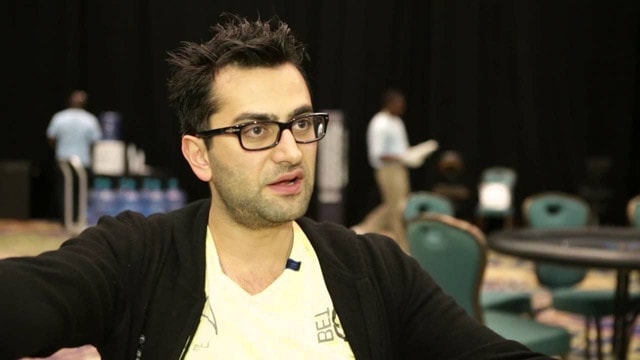
When thinking of the best players in the world, many poker fans think of those that are given the most exposure. These days, that’s in the form of televised tournaments thus big tournament winners like Gus Hansen, Michael Mizrachi, and Antonio Esfandiari at the heart of WSOP airings receive a lot of attention.
It’s well-deserved attention because of their accomplishments against huge fields, but does that make them the best?
Poker outlets like CardPlayer Magazine try to name a Player of the Year and nominate the best overall player, but can they really gauge the entire poker population through tournament points? Do they go inside private high-stakes games to see who is a consistent winner?
Players like David Williams, Greg Raymer, and Dan Harrington are mostly tournament specialists. While they have excellent skills at reading their opponents, playing the right cards at the right time, and adjusting to tournament blind structures, do they do as well in cash games?
Tournament players vs. cash game players
The top tournament players who bust out of big events are usually the best prey for high-stakes side game pros.
Cash games contain the real money in the poker world with sometimes millions of dollars being exchanged nightly at the biggest poker games in Vegas.
The winnings that a top player can earn in these side games makes tournament prizes look paltry.
Yet excellent tournament players often struggle in cash games. Their personality and strategy is often much too suited for tournaments to beat the toughest players in high-limit games. A player who mostly excels in one (albeit important) aspect of poker probably shouldn’t be considered “the best”, right?
Are strictly cash game players the best, either?
At the same time, one could also make the argument that strictly side game players don’t excel at all forms of poker. However, I don’t believe that the playing fields are even.
Overall, I would tend to say that cash games require more skill than tournaments because of the structure.
In cash games you’re playing with your own money with fixed blinds having to constantly make good decisions in order to make a profit. Tournaments only ever force players to lose their initial buy-in.
Also, the sometimes-insane blind structure in tournaments makes luck a much more important factor. Any player can get lucky for a day or a few days in a tournament, but ring games often favor the skilled much more.
Measuring success for a poker player
Since money is perhaps the best measure of poker success, we could take the All Time Money List as the measure of success, but even here players are often shuffled around and move a few places up or down during a year.
Money lists also heavily favors professional tournament players, as cash game winnings cannot be officially tracked.
Furthermore, compared to the old days tournament prize pools nowadays are much bigger, which tips the scale towards the young guns.
Taking players at their word
On the other hand, if we took poker players at their word when it comes to amounts won at different cash game tables the numbers would be skewed again, as these winnings are often exaggerated. Tracking online results is somewhat easier, but that again favors young high-stakes legends who found tremendous success on the virtual felt.
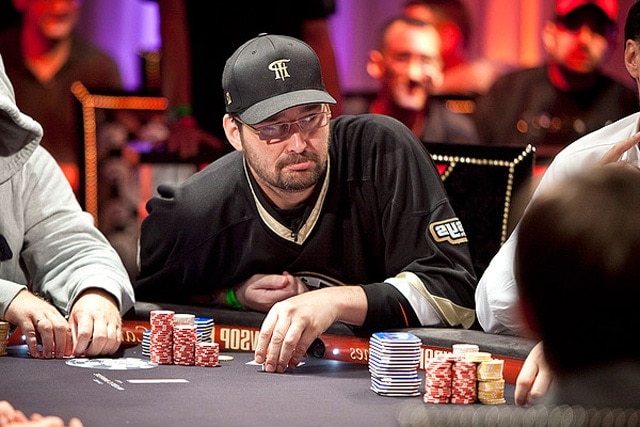
Some would argue that a number of titles, especially WSOP bracelets, is the ultimate measure of success, in which case Phil Hellmuth would take the title of the best poker player by a large margin. But once again, it just observes one aspect of a very complicated poker world.
So, what is the best way to go about this?
The best poker players do well across board
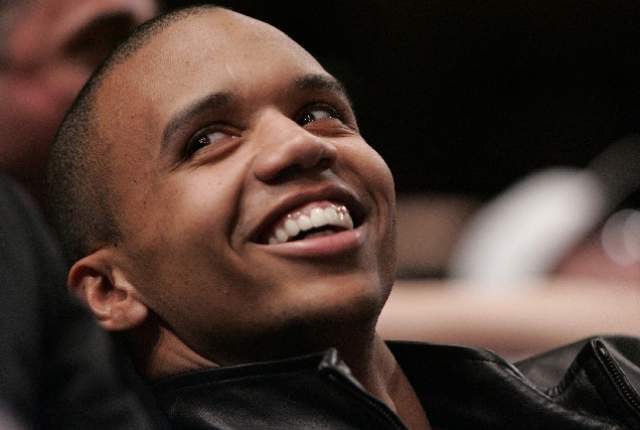
If I had to name names, I would probably choose a player who consistently had an edge in both tournaments and side games such as Phil Ivey, Doyle Brunson, Chip Reese, Johnny Chan, Barry Greenstein, or Daniel Negreanu.
These players have shown that they can make a more-than-comfortable living at the top cash games but still dominate tournaments when they take a “pay cut” and enter a few major events on the circuit.
These players all do well in mixed games, make a ton of money, and can handle any situation at the poker table. Also, these players don’t seem to have a large amount of personal vices (e.g. Stu Ungar) that might detract from their overall game.
Who really is the best poker player?
I think that I’ll have to agree with Barry on this one and say that no one really is. It is a somewhat futile thing to try and figure out, although I have named a short list of players whom I would choose if I had to.
Although, who can really decide who has an edge over you or me? What should the qualifications be? Heads-up matches? Money? Fame? Tournament wins? WSOP bracelets?
The fact is that anyone can win on any given day in poker and that will continue to be the beauty of the game.

Josh is one of the world’s most respected online gambling experts. He has been featured on outlets such as CardPlayer, the World Poker Tour, Google News, and Forbes. Josh has nearly 20 years of experience reviewing poker rooms, casinos, and online sportsbooks. He launched Beat The Fish in 2005, which has been peer-certified as a trustworthy gambling portal. Josh’s proven systems and extensive knowledge of the iGaming industry have been used by thousands of online bettors to make more informed decisions.







"As a USA player, I think Bovada is the best option. There are always a lot of games going on and the Bitcoin payouts get to me within an hour. No complaints here."
Henry S.
UP TO $3,750 BONUS
- Use crypto for extra bonus
- Most traffic in the USA
- Payouts within 15 minutes
- Full casino and sportsbook
Bonus on 3 deposits
plus
Cash rewards